


Lead-free brass fittings in drinking water systems: what’s changing now
Lead in drinking water: an issue with a long history and a clear direction
The gradual reduction of lead in drinking water installations is not a new topic, but it has gained significant momentum in recent years due to legal changes. Lead pipes have been completely banned in Germany since January 2026. What at first glance appears to be purely a piping issue also affects taps, fittings and connecting elements that come into contact with drinking water.
What the Drinking Water Ordinance means in concrete terms
The amended Drinking Water Ordinance transposes the EU Drinking Water Directive into German law. The lead limit in drinking water has already been lowered to 0.01 mg per liter and will be halved again to 0.005 mg per liter from January 2028. This is a limit value that can hardly be met with lead-containing installation components.
At the same time, the European Chemicals Agency is working on an EU positive list for materials that come into contact with water, which is expected to come into force at the end of 2026. This list specifies which materials may be used in drinking water systems. For alloys such as brass and bronze, a maximum lead content of 0.1 percent by mass applies as a limit value for new products.
Lead-free brass: what is changing technically
Classic brass traditionally contains lead as a machining additive, which facilitates machining. In lead-free alloys, lead is replaced by other elements such as bismuth or silicon, which offer similar machining properties but without the health risks. This changeover is technically complex and requires adapted production processes and new quality tests.
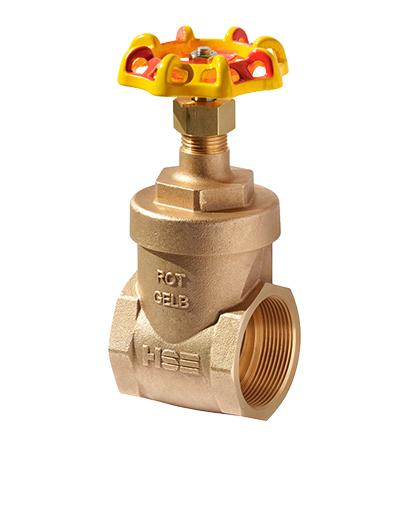
The material CW 617 N, which HSE uses in its drinking water ball valves, is approved for use in domestic water systems in accordance with the applicable regulations. Information on the current material basis can be found in the data sheets and technical documents as well as directly from our team.
Classification for trade and crafts
For specialist wholesalers and the HVAC trade, these developments mean that stocks should be checked for the material specifications of the valves and fittings used. For new installations, only products that meet the current requirements and are documented accordingly should be used.
In sales talks, it is helpful to inform the customer factually about the legal situation: Existing installations from the time before the new limit values do not have to be replaced immediately, as long as the measured values are complied with. However, the current requirements apply to renovations and new installations, and compliant products should be used from the outset.
What this means for product selection
The requirements for lead-free fittings will continue to increase. If you choose products today that already meet the stricter limits or have switched to lead-free alloys, you are well positioned for the future. HSE Armaturen is available to answer questions about the material basis and product-specific approvals.
HSE’s drinking water ball valves are DVGW-certified and meet the applicable requirements for use in drinking water systems.
Conclusion: Lead-free brass fittings in drinking water systems
The legal requirements for drinking water fittings are becoming stricter, and this trend cannot be reversed. Retailers and tradespeople are well advised to address the material requirements for their products at an early stage and to rely on compliant fittings. HSE Armaturen supports you with technical advice and certified products.
If you have specific questions about material approvals or products, please contact us. Contact us now.
