



Shut-off valves in heating systems: what to look out for when selecting them
Why the right shut-off valve in the heating system is crucial
Shut-off valves play a central role in heating systems: they enable the targeted interruption of individual heating circuits, the shut-off of devices for maintenance and the safe separation of system components in the event of a fault. If you make a hasty decision when selecting a valve, you risk leaky connections, limited maintainability or a valve that is simply not suitable for the media and pressures that occur.
Areas of application in the heating circuit
Shut-off valves are required at several points in heating systems: at the flow and return connections of radiators and heating circuit manifolds, at pumps, heat exchangers and boilers as well as at draining and filling points. Depending on the installation position, there may be different requirements in terms of pressure rating, temperature resistance and operability.
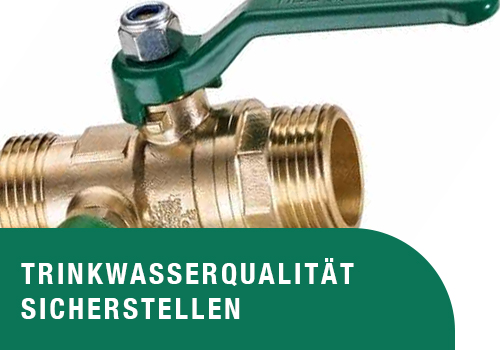
Ball valves are the dominant shut-off valve in the heating sector today. They can be fully opened or closed with a quarter turn, offer minimal flow resistance when open and remain tight over many operating cycles. HSE ball valves made of brass MS 58 are available in various pressure ratings and handle variants and are designed for a wide range of applications in heating and industrial systems.
Material and media compatibility
Brass has proven itself as a material for heating systems. It is corrosion-resistant to the heating water, mechanically resilient and can be machined cleanly. HSE heating ball valves are made of MS 58, a brass alloy with high strength and good machinability. The PTFE seals on the ball and spindle ensure permanently tight connections and can be retightened if necessary.
The temperature and pressure of the system should always be known when selecting the fitting. Typical heating systems work with flow temperatures of up to 90 degrees Celsius and operating pressures of up to 6 bar. Make sure that the selected fitting is approved for the actual operating range.
Handle variants and operability
Heating ball valves are available in different handle designs: flat handle, T-handle and lever handle are the most common variants. The flat handle is suitable for cramped installation situations, while the lever handle offers good handling for heavy-duty operation and occasional actuation. For systems that require regular maintenance, fittings with good grip comfort and a clear position indicator are preferable.
The heating and gas ball valves from HSE are available in several handle variants and cover different installation situations. Technical details and data sheets can be found in the download area.
Avoid typical selection errors
A common mistake is confusing heating and drinking water fittings. The same fittings must not be used for heating systems as for drinking water, even if they look similar on the outside. Drinking water fittings are subject to different hygiene requirements and approvals. Anyone who does not observe this limit risks problems during acceptance and operation.
Another mistake is to underestimate the pressure rating. Particularly in older systems with high system pressure, the nominal pressure rating of the valve should be well above the maximum operating pressure to ensure safety reserves.
Conclusion: Select shut-off valves in heating systems correctly
The choice of the right shut-off valve for heating systems depends on the installation location, medium, temperature, pressure and operability. Brass ball valves have established themselves as a reliable standard solution in the heating sector. HSE Armaturen offers a coordinated range with a robust technical basis for these requirements.
If you have any questions about choosing the right fitting, please contact us. Contact us now.
